Biochar

From agricultural waste to climate savior: the story of biochar

Oxygen-Free Decomposition

Decoding Pyrolysis Technology

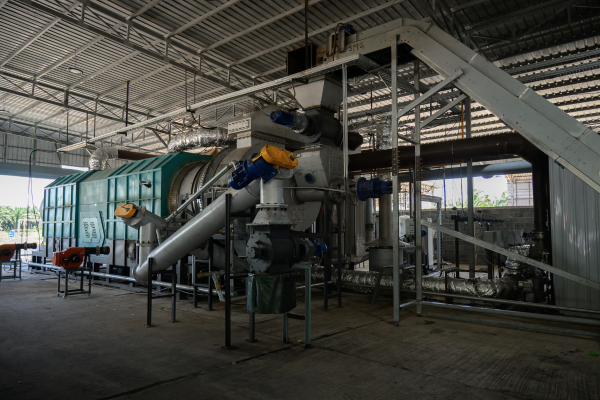
To produce biochar, biomass must undergo a process called “pyrolysis.” This is a sophisticated thermochemical process where organic materials are decomposed at high temperatures, typically between 500°C and 700°C, in a near-zero oxygen environment. Unlike traditional incineration, this method prevents the carbon in biomass from reacting with oxygen to form CO2. Instead, the carbon atoms are thermal-chemically restructured into stable biochar, while simultaneously producing renewable energy in the form of bio-oil and syngas. This technology is the cornerstone of turning transient plant carbon into a permanent geological-scale asset.

The Biochar Lifecycle

Biochar Production Process

Empowering farmers with innovative, eco-friendly practices to upcycle agricultural waste into valuable resources, strengthen communities, and protect our planet’s sustainable future.

Storage vs. Release

Critical Difference between Pyrolysis and Combustion

While they both involve heat, the outcomes are opposites. One returns carbon to the sky, while the other secures it in the ground.

Carbon Storage

Pyrolysis

Endothermic Reaction

Extracting Existing CO2

Strategy

Net-zero final mile

Result

Permanent biochar creation

Carbon Releasel

Combustion

Exothermic Reaction

Generating CO₂, water vapor, ash

Long-term Impact

Global climate change

Result

Accumulating harmful substances within the air, soil, oceans, and living organisms

Porous Structure
Highly developed microscopic pores.
Stable Carbon
Crystallized carbon that resists decay.
Biological Resistance
Against microbial decomposition.

Permanent Carbon Storage

Characteristics of Biochar

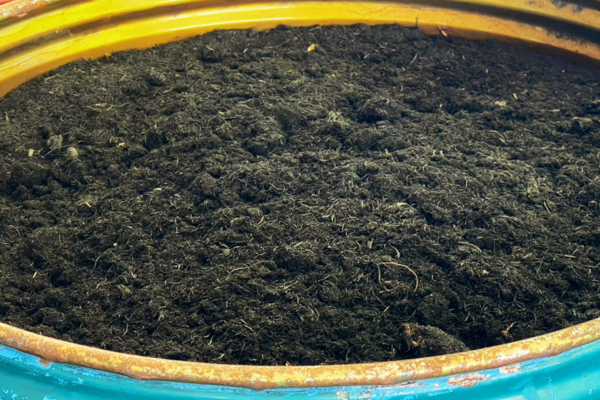
Biochar is hailed as a “time capsule” because its stability lies in the microscopic crystalline structure. During pyrolysis, the loose carbon chains in plants are converted into highly stable aromatic carbon rings. This creates a porous, inert “carbon skeleton” that is extremely resistant to microbial decomposition and chemical oxidation. While raw biomass would decay and release its carbon within a few years, the carbon locked within biochar remains stored in the soil for centuries.

Durability
0 +

Take Action

Empowering Businesses Toward Sustainability and Net-Zero Goals

Let’s build high-integrity carbon removal credits powered by long-term biochar carbon storage and transparent verification.

|

Turn Agricultural Waste into Sustainable Assets